
Mold Testing in Parkland Heights, PA

Know What's Growing Before It Gets Worse

Professional mold testing gives you lab-confirmed answers about your home’s air quality—so you can protect your family’s health and your property value with confidence.

Hear from Our Customers

Professional Mold Testing Services

Clear Answers About What's Actually in Your Home

You shouldn’t have to guess whether that musty smell is a problem or if those dark spots are dangerous. Mold testing takes the uncertainty out of the equation.

A certified mold inspection identifies exactly what type of mold is present, where it’s hiding, and how much of it is affecting your indoor air quality. That means you’re not overreacting to surface stains or ignoring a health risk that’s been growing behind your walls for months.

The difference between knowing and guessing is everything when your family’s health is on the line. Testing gives you documentation for insurance claims, peace of mind for real estate transactions, and a clear starting point if remediation is actually needed. No drama. No sales pitch. Just facts you can act on.

Mold Testing Company Parkland Heights Trusts

Local Experts Who Know Bucks County Homes

We’ve been serving Parkland Heights and Bucks County for over 15 years. Our team lives here, works here, and understands exactly how this area’s climate affects your home.

Bucks County’s humid summers and damp winters create year-round moisture challenges—especially in older homes built before modern ventilation standards. Humidity regularly hits 70% or higher during summer months, and moisture naturally rises from basements through your home. That’s not a scare tactic. It’s just how houses work around here.

Every technician is certified in mold assessment and follows Pennsylvania regulations. When you call 215-431-4744, you’re talking to people who genuinely care about keeping local families safe and healthy—not a call center three states away.

How Residential Mold Testing Works

What Happens During a Mold Inspection

The process starts with a free visual inspection of your property. A certified inspector walks through your home looking for visible mold growth, water damage, moisture problems, and conditions that support mold development.

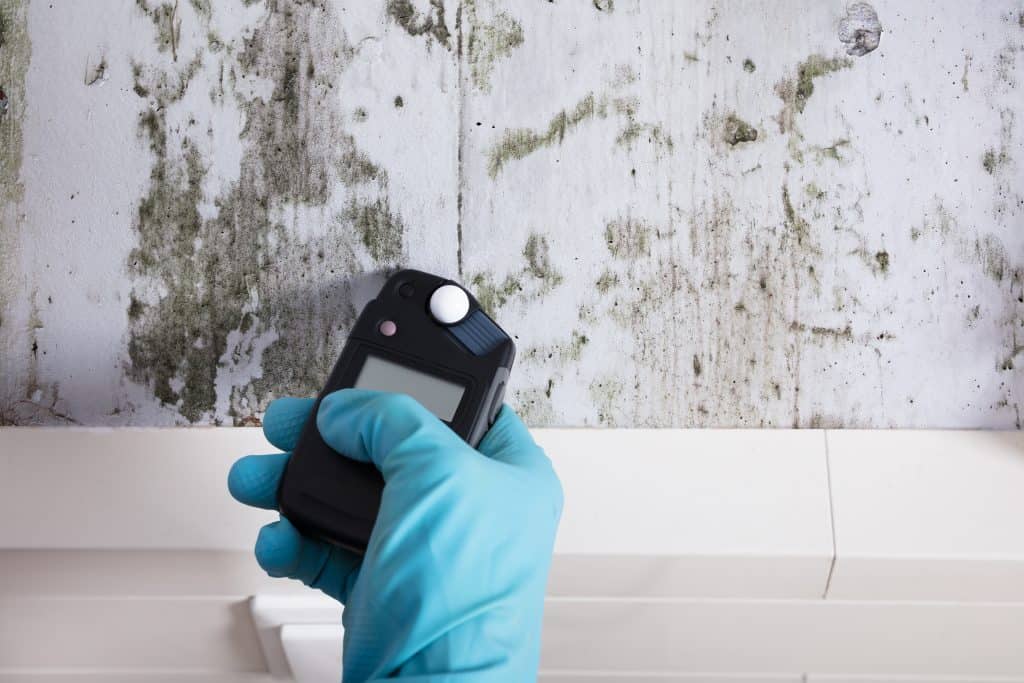
Next comes moisture detection. Using specialized tools, we measure humidity levels and identify hidden moisture in walls, ceilings, and floors—places you can’t see but where mold loves to grow.

If testing is recommended, air samples and surface samples are collected and sent to an independent lab. Air sampling captures mold spores floating in your indoor environment. Surface sampling tests visible growth to identify the specific mold type. Lab results typically come back within a few days.

You receive a detailed report that explains what was found, what it means for your health and property, and what your options are moving forward. No pressure. No upselling. Just clear information so you can make the right decision for your home.

Ready to get started?

Explore More Services

About Mack's Mold Removal

Black Mold Test and Detection Services

What's Included in Professional Mold Testing

A comprehensive mold inspection in Parkland Heights includes a full visual examination of your property, moisture detection using professional-grade equipment, and air quality sampling to measure spore levels throughout your home.

Surface testing identifies the specific type of mold present—including black mold, which is a common concern in Bucks County homes. Lab analysis provides documentation you can use for insurance claims, real estate transactions, or simply your own peace of mind.

You also get a written report with before-and-after photos, lab results, and clear recommendations. If remediation is needed, the report outlines exactly what should be addressed and why. If your home tests clean, you have proof that your air quality is safe.

Pennsylvania has seen a 5% to 10% increase in precipitation in recent years, which means more moisture problems and more mold growth potential. Older homes in Parkland Heights—many built decades ago—weren’t designed with today’s moisture control systems. That makes professional testing even more important if you’re experiencing symptoms like persistent coughing, sneezing, or headaches that seem worse at home.

How much does mold testing cost in Parkland Heights, PA?

Mold testing in Pennsylvania typically starts around $300 for a visual inspection with moisture detection and two air samples. Most homeowners pay between $300 and $670 depending on the size of the home and how many samples are needed.

Homes under 4,000 square feet usually fall in the $300 to $400 range. Larger properties or homes with multiple problem areas may require additional sampling, which increases the cost. The inspection itself is free—you only pay if testing is recommended and you decide to move forward.

Keep in mind that skipping testing can cost you a lot more down the road. Unchecked mold can knock 20% to 37% off your home’s market value, and remediation becomes more expensive the longer the problem goes untreated. Spending a few hundred dollars now can save you thousands later.

Lab results typically come back within three to five business days after samples are collected. The timeline depends on the lab’s current workload and the type of testing performed.

Air samples and surface samples are sent to an independent, certified laboratory that analyzes the mold species present and measures spore concentration levels. You’ll receive a detailed written report that explains what was found, what it means, and what your next steps should be.

If you’re dealing with a real estate transaction or an urgent health concern, let us know upfront. In some cases, expedited lab processing is available for an additional fee. But in most situations, waiting a few days for accurate, lab-confirmed results is worth it compared to guessing or relying on a visual inspection alone.

You can buy DIY mold test kits at hardware stores, but they’re not as reliable as professional testing. Most DIY kits only tell you that mold is present—which isn’t helpful, because mold spores exist in every home. They don’t tell you what type of mold it is, how much is present, or whether it’s actually a health risk.

Professional mold testing uses calibrated equipment, follows strict sampling protocols, and sends samples to certified labs for analysis. A trained inspector also knows where to look for hidden mold growth and moisture problems that you might miss.

In Pennsylvania, licensed mold assessors are required to follow industry standards and state regulations. That means you’re getting accurate, defensible results you can use for insurance claims or real estate transactions. If you’re experiencing health symptoms, dealing with water damage, or buying or selling a home, professional testing is the smarter choice.

The most common mold types in Bucks County homes include Cladosporium, Penicillium, Aspergillus, and Stachybotrys—also known as black mold. Each thrives in damp, humid conditions, which are common here due to the area’s climate.

Cladosporium often appears on wood surfaces, fabrics, and in HVAC systems. Penicillium grows on water-damaged materials like drywall, carpet, and insulation. Aspergillus is frequently found in dust and on food products. Stachybotrys, or black mold, grows on materials with high cellulose content like drywall and wood when they stay wet for extended periods.

All of these molds can cause respiratory issues, allergic reactions, and other health problems—especially for children, elderly individuals, and anyone with asthma or weakened immune systems. Lab testing identifies the specific species present in your home so you know exactly what you’re dealing with and whether remediation is necessary.

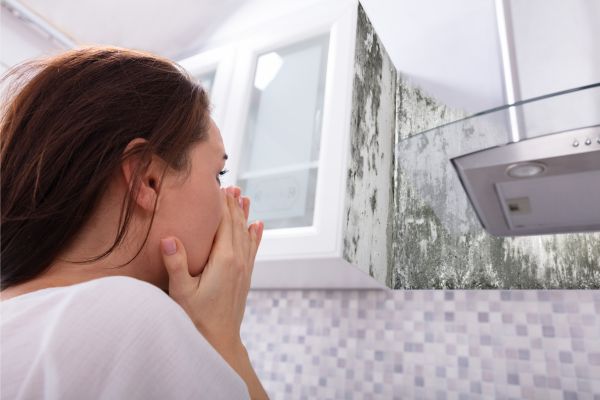
Get your home tested if you notice a persistent musty odor, see visible mold growth, or experience health symptoms like coughing, sneezing, or headaches that improve when you leave the house. Those are the clearest signs that mold may be affecting your indoor air quality.

You should also test after any water damage—whether from a burst pipe, roof leak, or basement flooding. Mold can start growing within 24 to 48 hours after water exposure, and in Bucks County’s humid climate, that timeline can be even shorter.

Testing is also smart if you’re buying or selling a home. Mold is one of the most common deal-breakers in local real estate transactions, and having documentation protects both parties. If your home was built before modern ventilation standards or you’ve noticed increased humidity in your basement or attic, testing gives you a baseline so you can address problems before they get worse.

Yes. Professional mold testing includes a detailed written report with lab results, moisture readings, photos, and clear documentation of what was found. This report is accepted by insurance companies, real estate agents, and lenders.

The report identifies the type and concentration of mold present, explains where moisture problems exist, and outlines recommended next steps. If remediation is needed, the documentation supports your insurance claim and provides a clear scope of work for contractors.

We work directly with insurance companies to handle paperwork and make the claims process as smooth as possible. Before-and-after photos are included so you have proof that the issue was properly addressed. If your home tests clean, the report gives you peace of mind and documentation you can share with buyers, tenants, or family members.

Other Services we provide in Parkland Heights